TEACHING COMPANION
Flags & Ferries
Can you make your country safer without making its neighbors feel threatened?
Classical realism, neorealism & the security dilemma · 65–75 min
Learning goals
- Distinguish prudence and policy choice from constraints created by the distribution of capabilities.
- Separate national stock, local deployment, and conditional aid when reading capability data.
- Use a model comparison to explain which change mattered and which uncertainty remains.
Class setup & submission
Start For Class and enter your name. Course or section is optional. Complete ten chapters and four responses with minimums of 45, 45, 65, and 85 words (240 total). For Fun keeps separate progress and offers optional writing.
When the Class assignment is complete, choose Print / Save PDF and upload the PDF to Canvas.
Students type their written responses in For Class.
Course materials
Before the activity
No prior theory knowledge required. An optional table-first evidence view makes the numbers easier to read.
Syllabus description
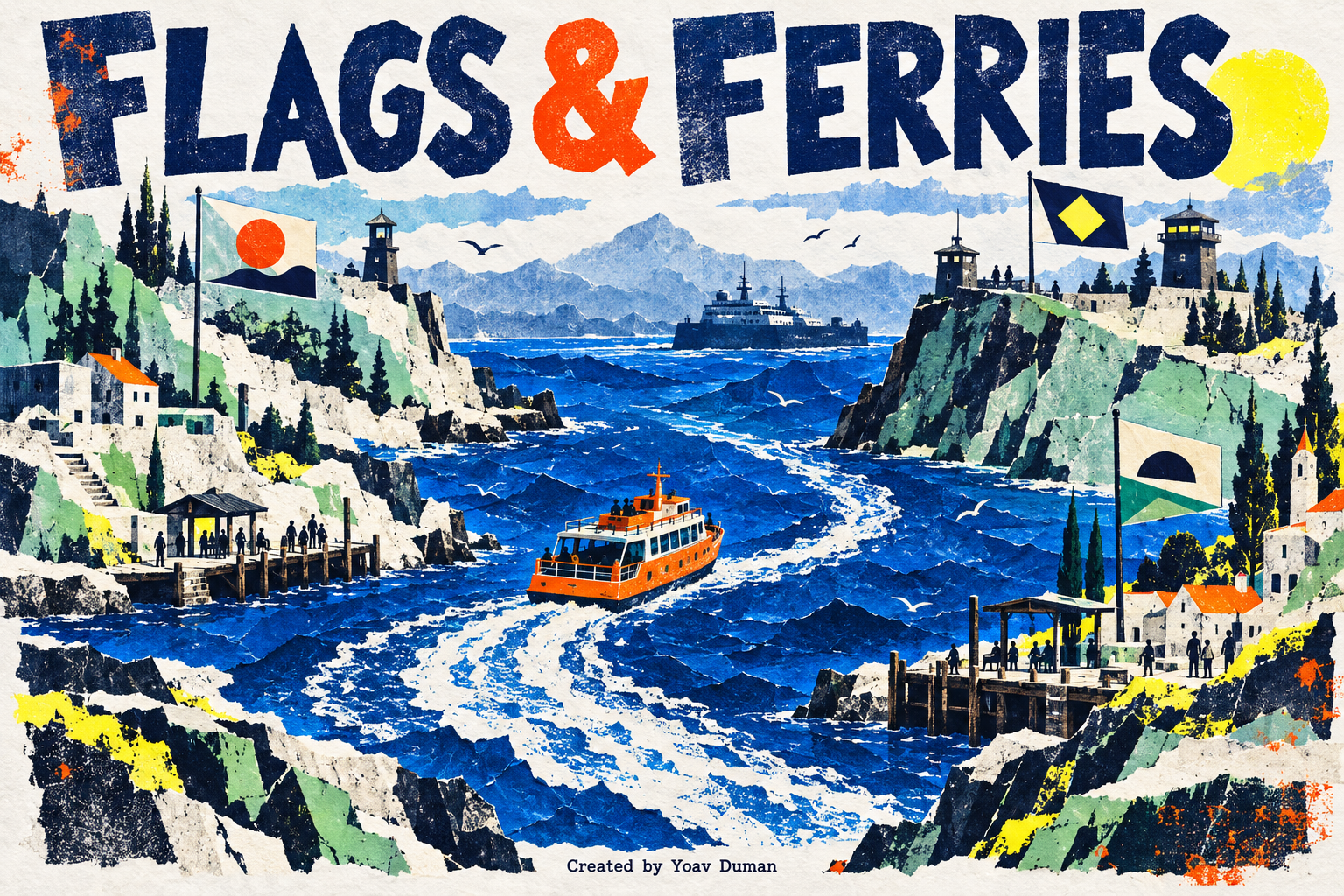
A flag on a pier. A ferry full of people. An ally with a price. Lead a small coastal state through choices about power, protection, and promises. Compare classical realism and structural neorealism by changing policy, then changing the balance of power. Students produce a class pdf with the decision chronicle, two model comparisons, four written responses, and first and current check results.
Discussion prompts
- When did a defensive choice affect how the other side behaved?
- Why can a state gain capability while losing relative power?
- Which part of a pledge is available at the moment a decision has to be made?
What to assess
Look for correct comparisons, specific evidence from the budget and border decisions, and an advisory note that names a vital interest, a tradeoff, and an uncertainty.
Limitations
All states, numbers, response rules, and conversion factors are fictional teaching devices. The two controlled comparisons illustrate separate realist questions.
Credit & permissions
Created by Yoav Duman. Free educational use, sharing and hosted embedding; software rights reserved. See the reuse information for software, artwork, branding and third-party materials.
Suggested citation
Yoav Duman, “Flags & Ferries: Teaching companion,” Trouble in Common, https://trouble-in-common.ishmaldon.chatgpt.site/teaching/flags-and-ferries. Include your access date.
ASSESSMENT & SUBMISSION
Assess the reasoning.
Set an endpoint and tell students which report or response record to upload to your course website. Use the activity’s own grading guide when available.
A suggested 10-point rubric
Give each criterion 0 points if absent, 1 if partial and 2 if clear and supported. Adjust the weighting to fit the activity.
- Concepts / 2
- Use a relevant international relations concept accurately.
- Evidence / 2
- Support a claim with a specific record or comparison.
- Mechanism / 2
- Show how actors, rules or pressures connect to the outcome.
- Revision / 2
- Consider a rival explanation or explain what changed your mind.
- Limits / 2
- Identify what remains uncertain and what evidence would help.
Before students begin
- Choose For Class if the activity offers a mode switch. Follow the endpoint your instructor assigns.
- Keep a progress backup when the activity offers one, especially before changing devices or websites.
- Review your responses and export the report or files listed in the assignment.
- Upload your work to the course website and check for the submission confirmation.
A progress backup restores a session. The readable report shows the work you’re asking students to explain or defend.
Prepare an assignment to share.
Edit this text, then copy it into Canvas or your course website. These edits stay in this tab.
Syllabus description & discussion prompts
Syllabus description
A flag on a pier. A ferry full of people. An ally with a price. Lead a small coastal state through choices about power, protection, and promises. Compare classical realism and structural neorealism by changing policy, then changing the balance of power. Students produce a class pdf with the decision chronicle, two model comparisons, four written responses, and first and current check results.
Questions for a discussion board or class debrief
- When did a defensive choice affect how the other side behaved?
- Why can a state gain capability while losing relative power?
- Which part of a pledge is available at the moment a decision has to be made?